Examining Shifts Between Card Play, Wheel Games, and Reel Slots Through the Lens of Promotional Offers
Written by Yves Jung · Oct 6, 2026

Examining Shifts Between Card Play, Wheel Games, and Reel Slots Through the Lens of Promotional Offers
Players often move between card-based formats such as blackjack and poker, wheel games including roulette variants, and digital reel machines when they apply bonus funds or free spin credits. Industry tracking from multiple jurisdictions shows these transitions follow identifiable patterns tied to wagering requirements and game contribution rates. Data compiled through 2026 reveals that bonus structures with higher contribution percentages for table games tend to extend time spent on cards before shifts occur toward wheels or reels.
Card-Based Play as an Entry Point
Card games typically attract initial bonus usage because many platforms assign 100 percent contribution toward clearing requirements for blackjack and certain poker variants. Operators in regulated markets report that players who begin with card tables often complete a larger share of their wagering targets there before exploring other categories. According to records maintained by the Nevada Gaming Control Board, card room activity linked to promotional balances rose steadily through the first three quarters of 2026, with October figures showing continued growth in sessions that started with table games.
Those who study player behavior note that card play allows for more controlled bet sizing, which aligns well with the need to meet playthrough conditions without rapid depletion of bonus amounts. Yet many accounts transition once the required wagering volume approaches completion, at which point operators observe increased activity on wheel and reel products that carry lower contribution percentages.
Transitions Toward Wheel Games
Wheel-based options such as roulette and wheel of fortune variants frequently serve as an intermediate step. These games usually receive lower contribution rates, often between 20 and 50 percent depending on the operator and jurisdiction. Players who have nearly satisfied bonus terms sometimes move to wheels because the mechanics provide variety while still advancing any remaining playthrough at a reduced pace. Research from the Australian Gambling Research Centre indicates that sessions involving multiple game types within a single bonus cycle increased during 2026, with wheel games appearing in roughly 35 percent of tracked multi-category sequences.
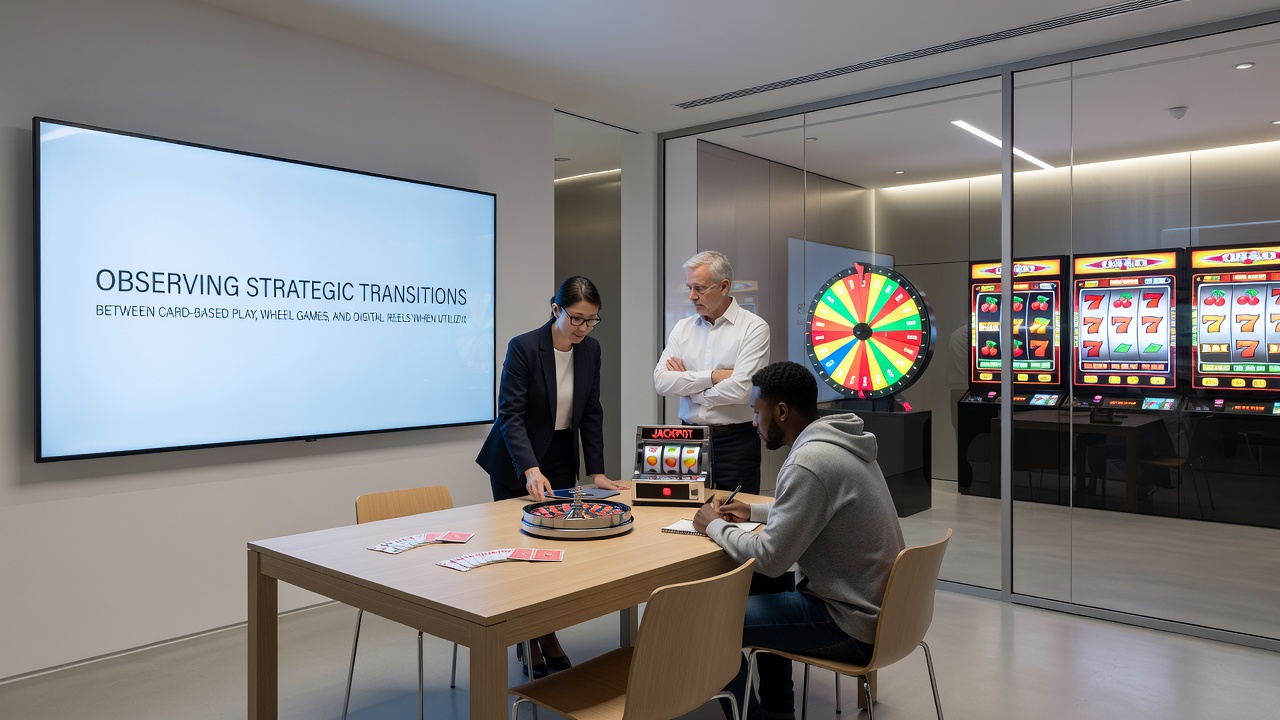
Wheel games also introduce elements of chance that differ from the skill component present in many card formats, prompting some players to switch after extended card sessions. Platform analytics from European operators outside the United Kingdom show that wheel activity spikes once card-based wagering thresholds near fulfillment, particularly when bonuses include time-limited free bets or cashback offers that reset on new game categories.
Final Movement to Digital Reels
Digital reel machines commonly mark the last stage in observed sequences. Slots and video reels often contribute at lower percentages or carry restrictions on bonus play, yet they attract remaining balance after other requirements are met. Figures released by the New Jersey Division of Gaming Enforcement for October 2026 documented elevated reel play among accounts that had previously recorded activity in both card and wheel categories during the same promotional period. The pattern suggests that once wagering obligations are largely satisfied, players allocate leftover credits to higher-volatility reel titles that offer the potential for larger single outcomes.
Observers tracking loyalty program data across North American markets note that reel-focused play frequently coincides with the final hours of bonus validity windows. This timing allows users to exhaust remaining funds without additional deposit requirements, completing the observed progression from cards through wheels to reels within one incentive cycle.
Factors Influencing the Sequence
Several structural elements shape these transitions. Wagering contribution tables published by individual operators determine how quickly each category advances bonus clearance, while game volatility and session length preferences affect the order of movement. Regulatory filings from Canadian provincial authorities show that platforms adjusting contribution rates for reels upward during promotional periods experienced slower shifts away from card and wheel play. Conversely, unchanged lower rates for reels correlated with faster progression toward digital slot machines once initial targets were reached.
Seasonal data from October 2026 further indicates that holiday-timed incentive campaigns amplified the number of recorded multi-game sequences, particularly among accounts holding active bonuses across multiple days. These patterns emerge consistently in aggregated reporting rather than isolated operator statements.
Conclusion
Documented player movements between card-based play, wheel games, and digital reels under incentive offers follow measurable sequences shaped by contribution rates, wagering timelines, and game mechanics. Records from October 2026 across several regulated markets confirm that these transitions occur in predictable stages when promotional balances remain active. Continued monitoring by gaming authorities and research institutions will clarify whether adjustments to bonus structures alter the frequency or direction of these shifts in subsequent periods.